
Organizing Literary Events and Meetups in 2026
Introduction
Bringing readers and writers into the same space creates a unique environment for sharing ideas. Whether you are hosting a small book club or a large panel discussion, careful preparation makes the experience enjoyable for everyone involved. The goal is to provide a setting where meaningful conversations about literature can happen naturally.

Defining Your Event Concept
Start by deciding what type of gathering you want to host. A poetry reading requires a different atmosphere than a science fiction panel or a local author signing. Figure out your target audience and the exact format of the session. Will it be a structured Q and A, an open mic, or a casual mix-and-mingle? Having a clear outline helps you communicate the value of the event to potential attendees.
Finding an Appropriate Venue
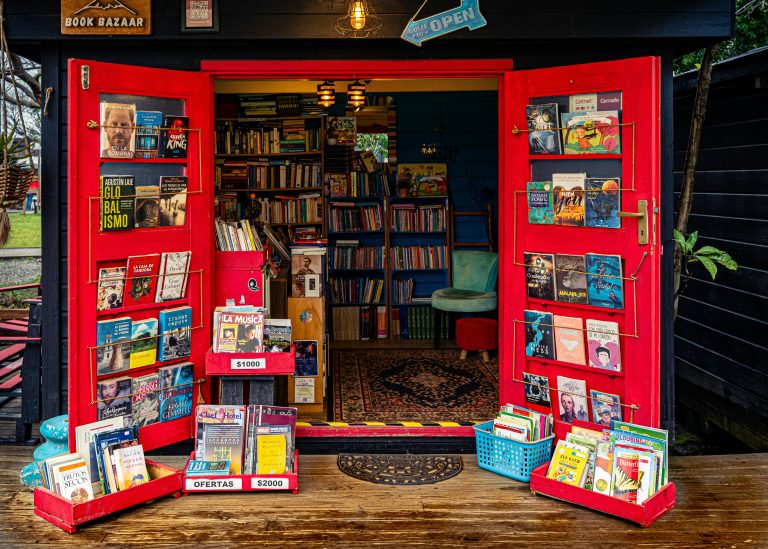
The location sets the mood for your entire gathering. Independent bookstores, local libraries, and cozy cafes often welcome community groups. Make sure the space has adequate seating, good lighting, and proper acoustics so everyone can hear the speakers clearly. Check accessibility features to ensure all guests can comfortably attend. When speaking with venue managers, discuss available dates, capacity limits, and any technical equipment they might provide like microphones or projectors.

Coordinating with Authors and Speakers
Reaching out to writers requires clear and respectful communication. Send a brief message explaining the concept of your event, the expected audience size, and the date you have in mind. Ask about their availability and what they need to feel comfortable presenting. Always establish a clear schedule for the day, including arrival times and sound checks, so the speakers know exactly what to expect.
Marketing the Gathering
Getting people to show up means spreading the word early and often. Create digital flyers to share on social media platforms and print physical copies for community notice boards. Reach out to local reading groups, creative writing classes, and university literature departments. Word of mouth remains one of the best ways to build an audience, so encourage your friends and early registrants to bring someone along.

Conclusion
Hosting a successful gathering for book lovers takes time, effort, and careful attention to detail. By selecting the right location, communicating clearly with your speakers, and getting the word out to the right people, you create an environment where literature truly comes alive. Watching enthusiastic readers connect with their favorite writers makes all the preparation worthwhile. Keep refining your approach with each new event you host, paying close attention to what your local community enjoys most, and your future literary gatherings will naturally continue to grow, succeed, and inspire.
Key Takeaways
- Define the exact format and audience for your gathering before making any bookings.
- Choose a location with comfortable seating, good acoustics, and accessible entryways.
- Communicate scheduling details clearly with all invited speakers and authors.
- Use a mix of digital and physical promotional materials to reach local readers.
- Learn from each session to improve the planning process for your next event.
FAQs
How far in advance should I plan a literary event?
Start planning at least two to three months ahead of your target date. This timeline gives you enough room to secure a comfortable location, confirm author availability, and run a proper marketing campaign to attract interested attendees in your local area.
What is the best way to find local authors to invite?
Check with independent bookstores in your city, as they often carry titles by regional writers. You can also search social media for local writing groups or ask librarians for recommendations on active community members who have recently published a book.
Do I need to provide refreshments at a book reading?
Providing light snacks and drinks is a nice touch that encourages people to stay and socialize after the main presentation. If your budget is tight, hosting the gathering at a cafe allows attendees to purchase their own food and beverages.
Figuring out exactly what belongs on your homepage can feel confusing at first, which is why reading through some dedicated strategies for designing an author website helps clarify the exact steps needed to properly display your current book catalog, write an engaging personal biography, and maintain a blog that actually appeals to your target audience.