Horror Literature in Portugal
Introduction
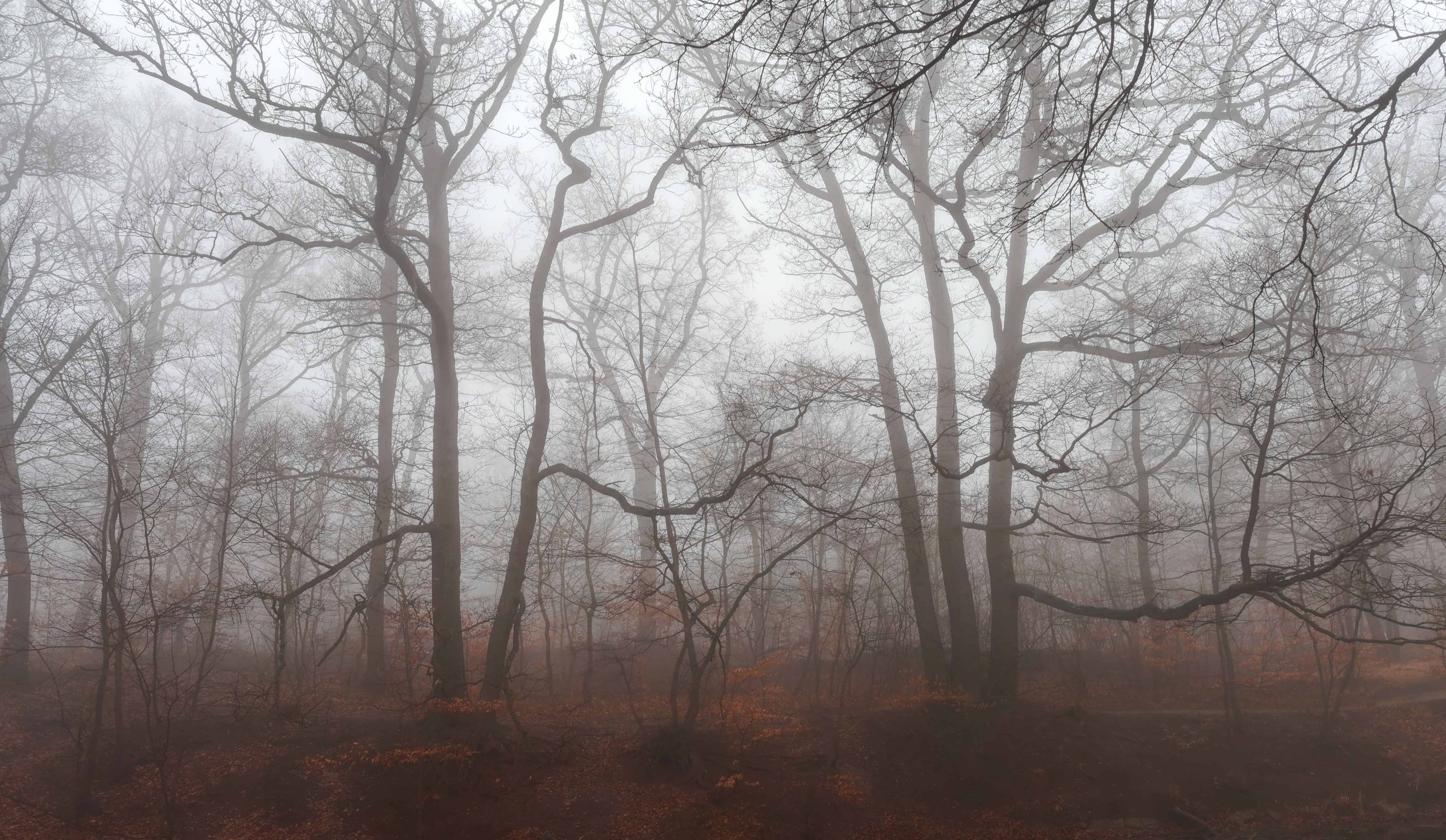
Portuguese literature often brings to mind poetry and melancholy, but a dark current runs through its literary history. Horror literature in Portugal has a rich tradition built on chilling folklore and gothic romanticism. Writers have long drawn inspiration from the misty landscapes of the northern regions and the deep-rooted superstitions of rural villages. This genre blends supernatural elements with intense psychological dread, offering readers a unique brand of fear. Exploring Portuguese horror reveals a fascinating literary world filled with ghosts, cursed bloodlines, and dark rural magic.

The Roots of Portuguese Gothic Tales
The origins of horror in Portuguese writing can be traced back to the nineteenth century when romanticism embraced the macabre. Authors began writing dark short stories and novellas that focused on themes of death, hauntings, and fatal curses. Alexandre Herculano explored gothic ruins and medieval gloom, setting a shadowy tone for future writers. Later, realist masters like Eça de Queiroz occasionally experimented with the supernatural. His short stories featuring the undead remain classic pieces of Portuguese ghost fiction. These early works laid the foundation for a distinct national style that prioritized atmosphere and creeping dread over cheap scares.
Folklore and Supernatural Entities
Much of the fear in Portuguese horror stems from local mythology and oral traditions. The northern region of Trás-os-Montes is particularly famous for its legends of shape-shifting werewolves and night-flying witches. These rural monsters are not glamorous creations; they are terrifying, earthy beings tied to the harsh realities of agricultural life. Authors frequently use these folk figures to represent the unknown forces of nature. The presence of these creatures in fiction provides a sense of ancient, untamed magic that terrifies characters who wander too far from the safety of their villages.

Notable Authors Shaping the Genre
Several specific authors have left a permanent mark on Portuguese horror fiction. Branquinho da Fonseca wrote atmospheric, unsettling tales that mixed surrealism with pure terror, often focusing on isolated individuals confronting inexplicable events. In more recent years, writers like David Soares have pushed the genre forward with intense, mythological horror novels. Soares uses deep historical research to ground his terrifying narratives, making the supernatural elements feel highly realistic. These authors, among others, prove that Portugal has a strong voice in the global horror community, capable of producing genuinely frightening literature.
Modern Trends in Portuguese Horror
Contemporary Portuguese horror writers are expanding their focus beyond traditional ghost stories and rural legends. Many new books focus on psychological horror, where the mind itself becomes the primary source of terror. Urban legends and the isolation of modern city life serve as the backdrop for new nightmares. Independent publishers in Portugal are actively seeking out fresh voices in dark fiction, allowing a wider variety of themes to emerge. This current wave of writing combines international horror influences with local cultural details, creating stories that are both fresh and deeply terrifying.

Conclusion
Portuguese horror literature offers a captivating blend of local folklore and psychological depth that continues to attract new readers. From the gothic romanticism of early writers to the terrifying urban legends explored by modern authors, the genre has grown into a powerful literary force. The rich mythology of rural Portugal provides an endless source of inspiration for dark fiction, ensuring that these stories remain deeply connected to the culture. As new writers experiment with fresh themes and styles, the future of this chilling genre looks incredibly bright.
Key Takeaways
- Portuguese horror blends nineteenth-century gothic romanticism with deep rural folklore.
- Northern regions like Trás-os-Montes provide inspiration through legends of witches and werewolves.
- Eça de Queiroz contributed to the genre with highly regarded classic ghost fiction.
- Modern authors like David Soares use historical research to create realistic supernatural tales.
- Contemporary trends focus heavily on psychological terror and urban isolation.
FAQs
What are the main themes in Portuguese horror literature?
The genre frequently explores rural isolation, ancient curses, and supernatural beings drawn directly from local mythology. Psychological dread and the terrifying power of untamed nature are also very common subjects. Many stories focus on ordinary people facing inexplicable evils.
Which Portuguese author should I read for classic ghost stories?
You should definitely look into the short stories of Eça de Queiroz. While he is primarily known for realism, his occasional supernatural tales are highly regarded. Branquinho da Fonseca is another excellent choice for unsettling and atmospheric classic horror fiction.
How does modern Portuguese horror differ from older works?
Older stories rely heavily on gothic tropes and rural folk monsters. Modern works tend to focus more on psychological terror and the isolation found in modern cities. Contemporary writers often blend international horror trends with specific local cultural details.
Anyone planning a trip to southern Portugal or simply looking for a great book recommendation will enjoy reading all about the Algarve Literary Festival where talented authors from across the globe gather near the beach to share their amazing stories and celebrate the unique culture of the surrounding coastal communities.